

Asthma and Chiropractic
In a two-month study published in the Journal of Vertebral Subluxation Research, asthmatic patients who were co-managed with chiropractic care had a 45% decrease overall in the number of attacks that occurred. 31% of patients were able to voluntarily decrease or stop medication. These results were highlighted specifically for asthma in childre

Pediatric Chiropractic: Help with Managing Chronic Issues
Both of these studies point out the many advantages of using complementary and alternative treatments like chiropractic care when helping a son or daughter cope their chronic condition. It offers an alternative that doesn't create detrimental problems and focuses on complete body wellness, making it optimal for children with chronic ailments.
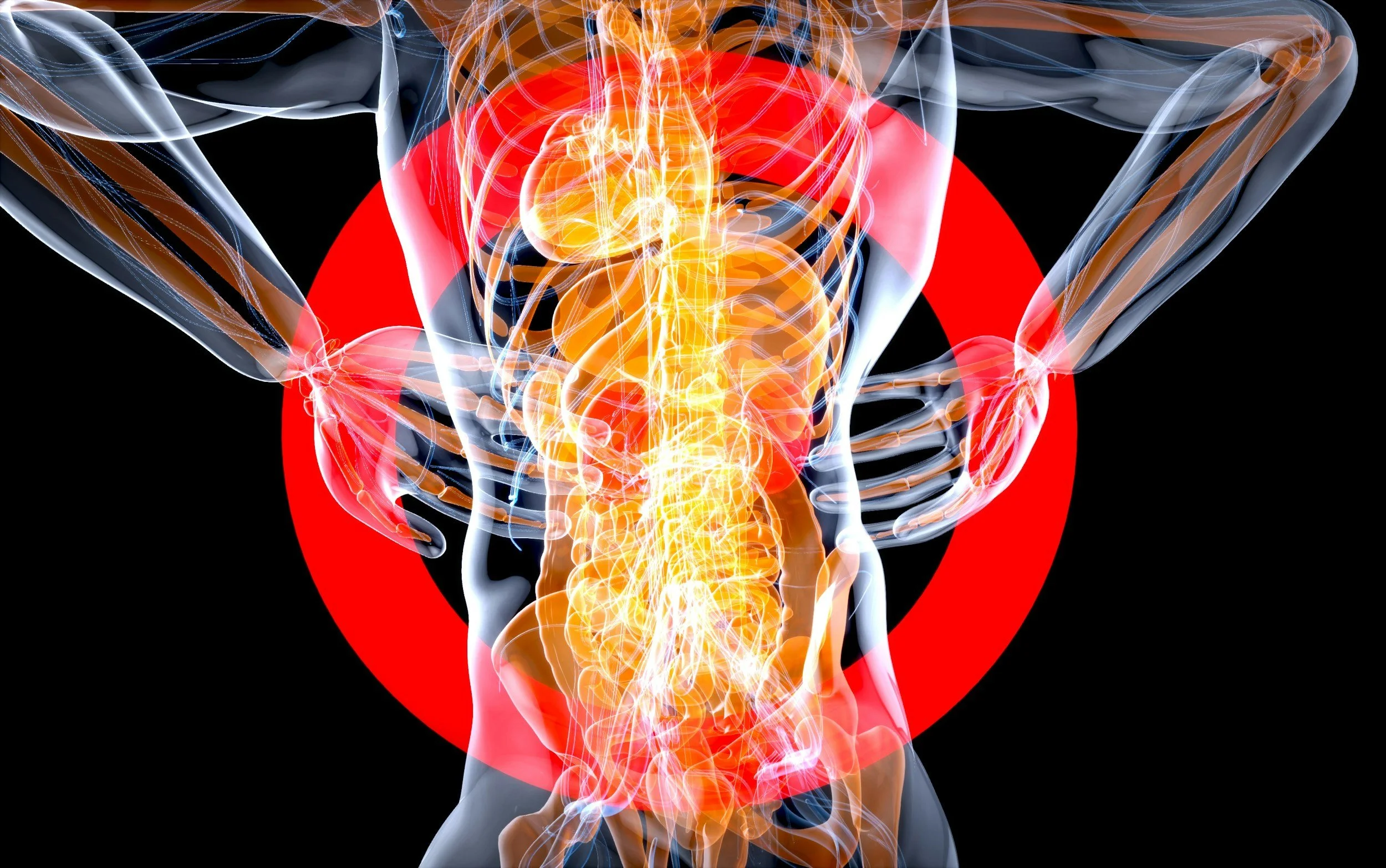
Is Your Leaky Gut the Problem?
If you have leaky gut, we would love to talk to you more about how we can help. Elimination of foods and improving the signal of the vagus nerve, which connects your brain to your gut will likely be necessary to fully heal. But to begin with, we recommend the following foods which may aid in repair:

Fall Allergies: Suffer No More!
Why did pollen from trees, grasses, weeds, and flowers as they begin to fertilize other plants create a histamine reaction with itching, sneezing, stuffy sinuses, and watery eyes for me and some people, while others handle the change in seasons with relative ease?
Seasonal allergies, or allergies of any kind, are actually linked back to an interconnected triad –our neurology, our immune system, and our gut! So to improve the root cause of allergies, addressing improvements in those three areas can actually the work to beat those pesky allergies for good.

Good Posture - Turns Out Your Mom is RIGHT!
The benefits of good posture are well-documented both in studies about our biomechanics, and are noticeable in the dynamics of a room. The people we notice with great posture also hold:
A deeper sense of confidence and own their height
Greater energy. Poor posture is not energy efficient, and requires lots of extra muscles to fire
Deeper breathing. When your shoulders round forward, the lungs simply don't have the room to expand to their full capacity.
Less pain -

Reorganizational Healing - For the Proverbial Cleaning Out of the Closet
Sometimes our nervous system can’t adapt to it all.
Life happens. Sometimes it’s more than we can bear, and our brain and spine get overwhelmed. A lack of health is a sign that our nervous system cannot fully adapt to what is occurring – there is a gap between our current level of function and what is required to handle what is on our plate. There’s interference to our perfection, it doesn’t fully express, things break down. We show symptoms - physical, mental, or emotional.
When your spine and nerve system are more adaptable, you can heal what you previously couldn’t and also grow healthier during new stress, rather than getting “stuck” because of it.

Chiropractic to help with my malpositioned baby?
In addition to helping align the pelvis, which can make room for baby to find their ideal position, chiropractic with the Webster Technique in pregnancy has two other major side benefits: decreased labor time, and increased comfort.

Heal Your Spine, Heal Your Life
Tight muscles and ligaments stabilize the bones, tissues, organs, and nerves at a certain level… even if it’s not in a great place, it’s better than the WORST place. We know who we are and what to expect.
This is a useful short-term strategy and a painful, energy sucking long-term strategy. For those looking to transform, read more.

Your Mind IS Your Body
"Your mind is in every cell of your body."
The body uses your spinal cord to communicate information constantly to your brain about your environment, through all of our sensory systems. Your spinal cord and its tension and tone tells your brain whether you're safe and can explore/play/work, or whether you need to be on guard for danger

When Sensory Information Takes Your Kiddo Out… They Might Have an Imbalance
Proper sensory information builds a healthy brain. So what carries that information from all of our bodies (to tell the brain what's happening in the environment)? The back part of the brain and top of the spinal cord. As a chiropractor, we detect and correct neurostructural shifts, or subluxations, in this upper part of the spine.

There’s No Such Thing as a Bad Kid!!!
Very often, when children are having trouble with higher executive function, or we see "unwanted" behaviors, this very behavior gives us a clue to where their brain is at in its development.
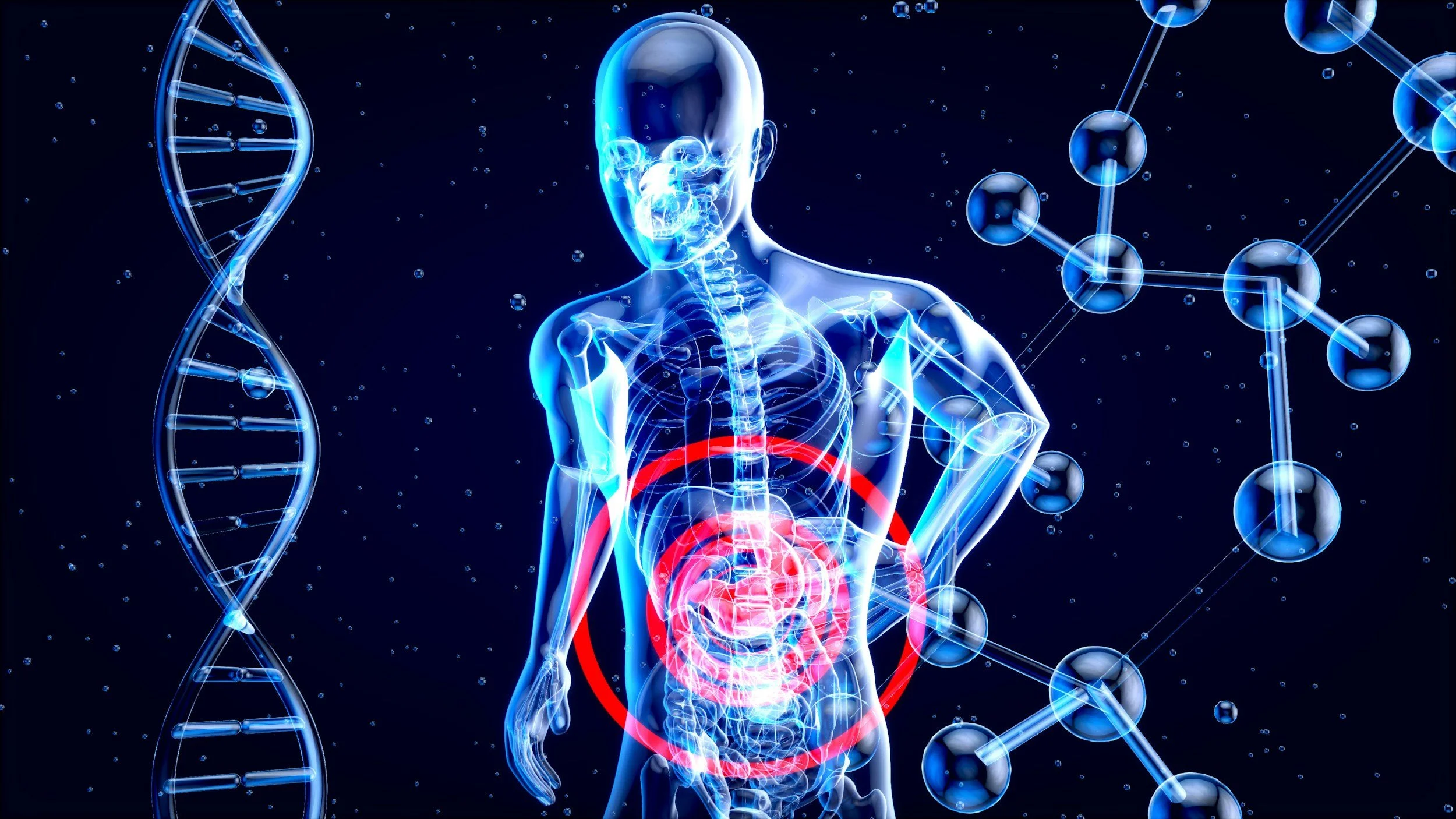
Top Signs of Leaky Gut, and the Best Foods and Strategies to Repair it
For the vast majority of Americans, living in a constant state of fight or flight has become the norm. This is incredibly draining of our energy, and for some of us keeps us so wired that we can’t sleep properly. Our bodies’ physiological requirements to fuel this state of fight or flight are difficult to keep up with and make us crave sweets, carbs, and caffeine to get through our days. Often times, these foods are the opposite of the ones that would boost our immune system and help heal our gut.
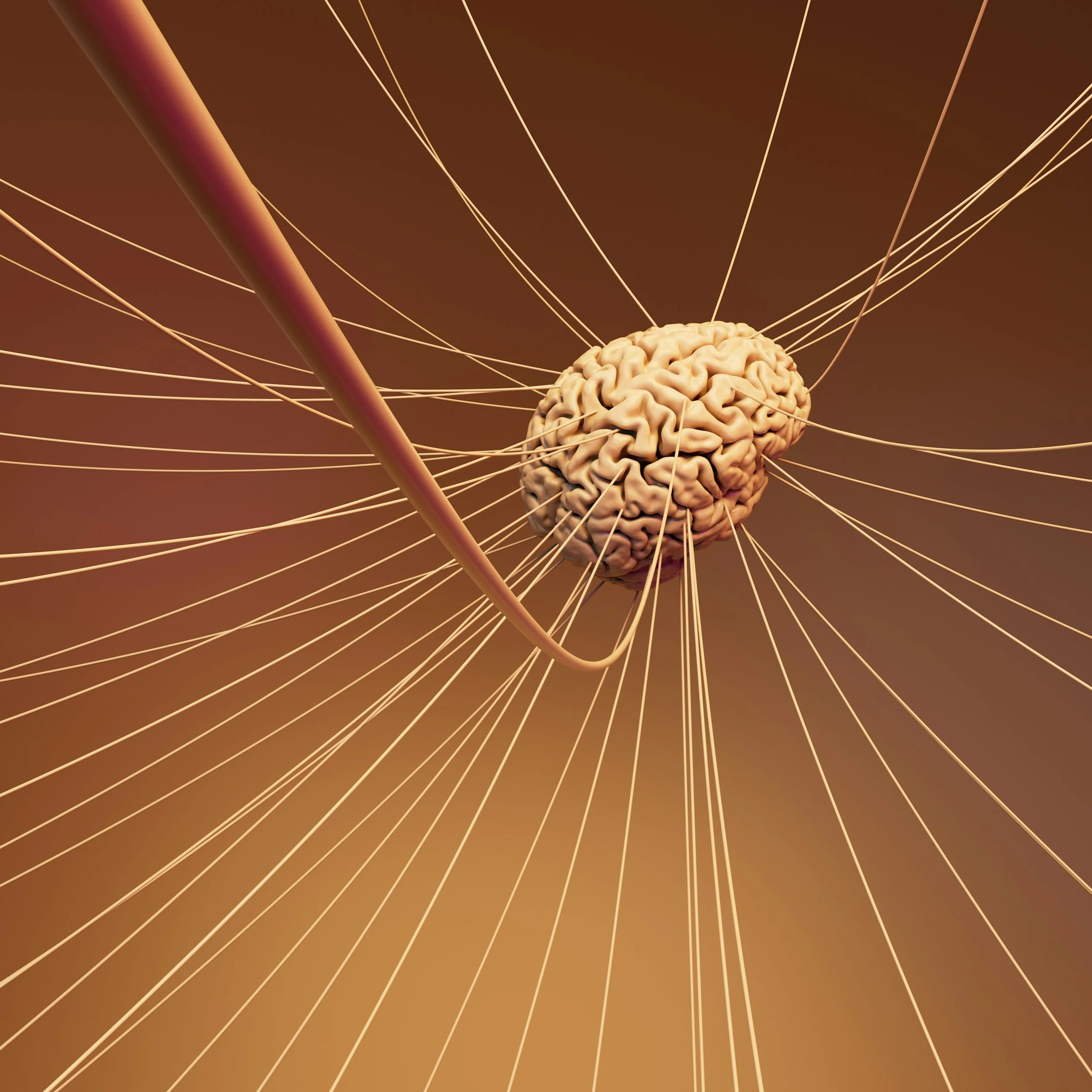
The Best Doctor is Within You
Chiropractors believe that the entity behind the healing is the Innate Intelligence in your body. Each living thing is sovereign and embedded with an Innate Intelligence designed to maintain the material of its body. It coordinates the healing forces and organizes your body, your mind, your emotions... even your life. T

An Alternative Approach for Ear Infections
In a recent study, 93% of all ear infections improved for children under the age of five who were supervised under a chiropractor’s care. 43% of the children improved within one to two visits, and 75% were better within 10 days or fewer.
All About Fascia
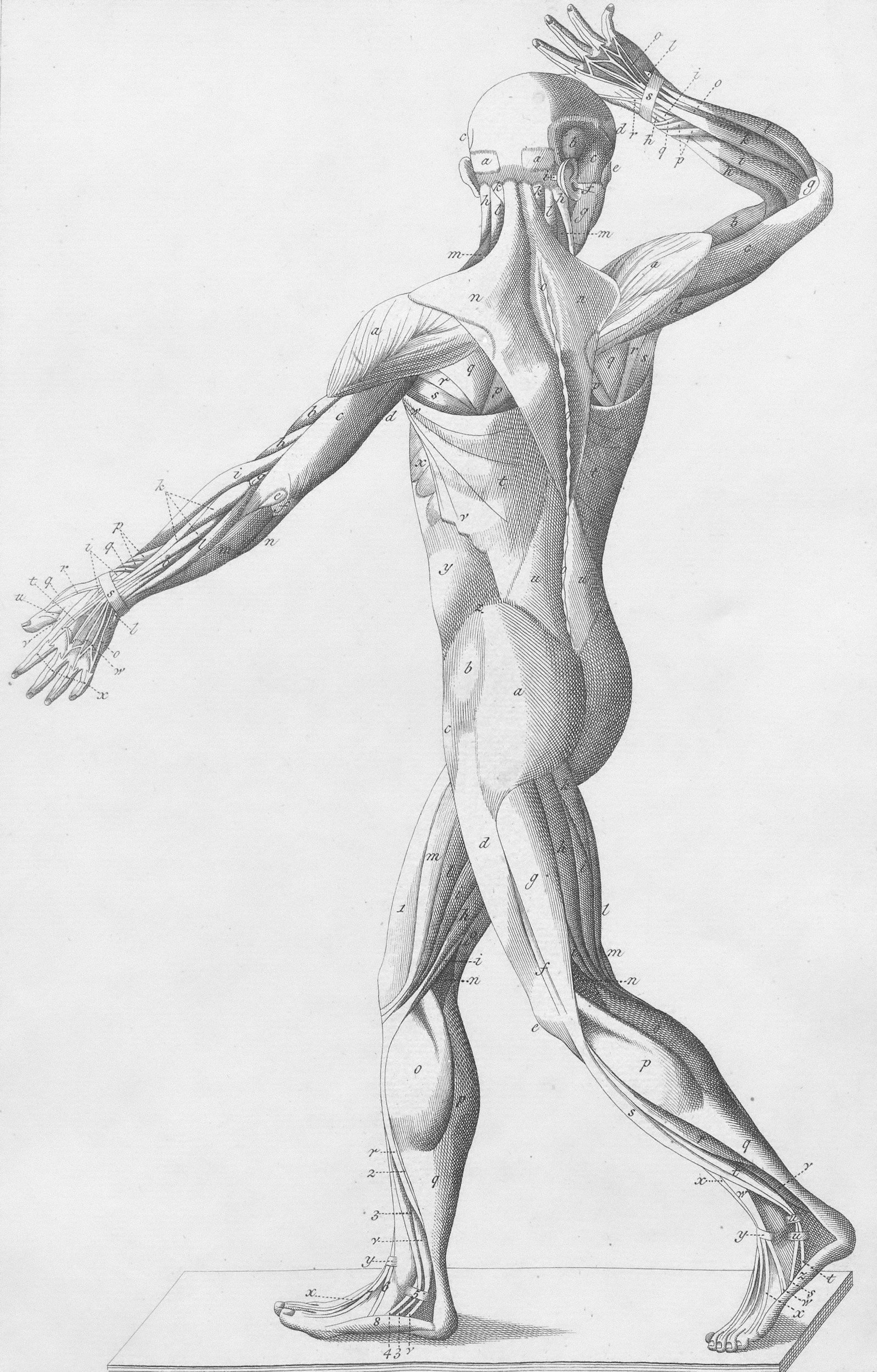
Many of my patients in Viridian and Arlington TX have tight, restricted fascia. The stress and strain of workouts, repetitive postures or activities, and even strain from the birth process or in utero positioning can cause adhesions in your fascia. Foam rolling, different types of breathing, and bodywork all can help unwind restrictions in the fascia in the limbs, pelvis, and abdomen.
As a chiropractor who understands fascia, I am most concerned with the fascia in the head and upper spine. We imagine the brain and spinal cord like a jellyfish, which of course is encased in skull and spinal bones. Fluid called cerebrospinal fluid, or CSF, hydrates the whole system. Rhythm goes from sacrum to head 11-16 times per minute.

When Your Body Doesn’t Feel Safe
I often tell my patients here in Viridian that in order to heal, your system needs SAFETY, both physically and emotionally.
When your body feels unsafe (either due to external circumstances such as the people or place surrounding you, or internally), it will use your mind to create this safety.
What does using the mind for safety look like? Rumination (repetitive thought patterns), dissociation, anxiety, avoidance, and defensiveness.

Your Baby’s Body Tells the Story
NONE OF THESE signs point to a “difficult baby”. All of them are the story the body tells about how they arrived.
Thankfully, this is a story we can rewrite. Dr. Erin has 20 years experience after being trained in the gentlest touches to create ease.

“They’ll Grow Out of It”
In my almost 20 years of experience, colic or reflux is almost always related to tension in baby’s body; either from oral tethers, or from misalignments related to birth or in utero positioning. The discomfort in infancy looks very different than an adult in pain - arching back, screaming at the breast or troubled latch, painful gas, tight jaw, head or neck stuck in one direction, an arm or leg that can’t relax.
SOOO, if that nervous system stress goes uncorrected, baby is bound to grow INTO it.

Behind on Milestones? Why Chiropractic Can Help
We work to create freedom in your infant’s body and cranium so that their little bodies can do everything with comfort : turn their head all the way in each direction, roll to each side, lie on their tummy, etc. This freedom from interference allows proper information to get through to build the brain healthy and whole from the get go. We love to teach parents skills to work through the struggles we know come in a more complex infant, but we will also teach you what to look for in normal development and how to take appropriate action BEFORE your child becomes stuck… either in their body or in a stage of development.

The Vagus Nerve and its Connections
How do we know when the vagus nerve isn’t sending a good signal to the tongue? Babies may look asymmetrical, with one side twisting or pulling. Babies will likely dislike tummy time. While asleep, baby may prefer an open mouth posture, indicating a related airway issue that can cause sleep apnea, snoring, or sinus and adenoid problems. Their suck will also likely be inefficient or they may prefer bottle feeding. When looking at the infant’s face, you may notice that their jaw is not very prominent, or that their jaw opens more to one side than the other.