

Asthma and Chiropractic
In a two-month study published in the Journal of Vertebral Subluxation Research, asthmatic patients who were co-managed with chiropractic care had a 45% decrease overall in the number of attacks that occurred. 31% of patients were able to voluntarily decrease or stop medication. These results were highlighted specifically for asthma in childre
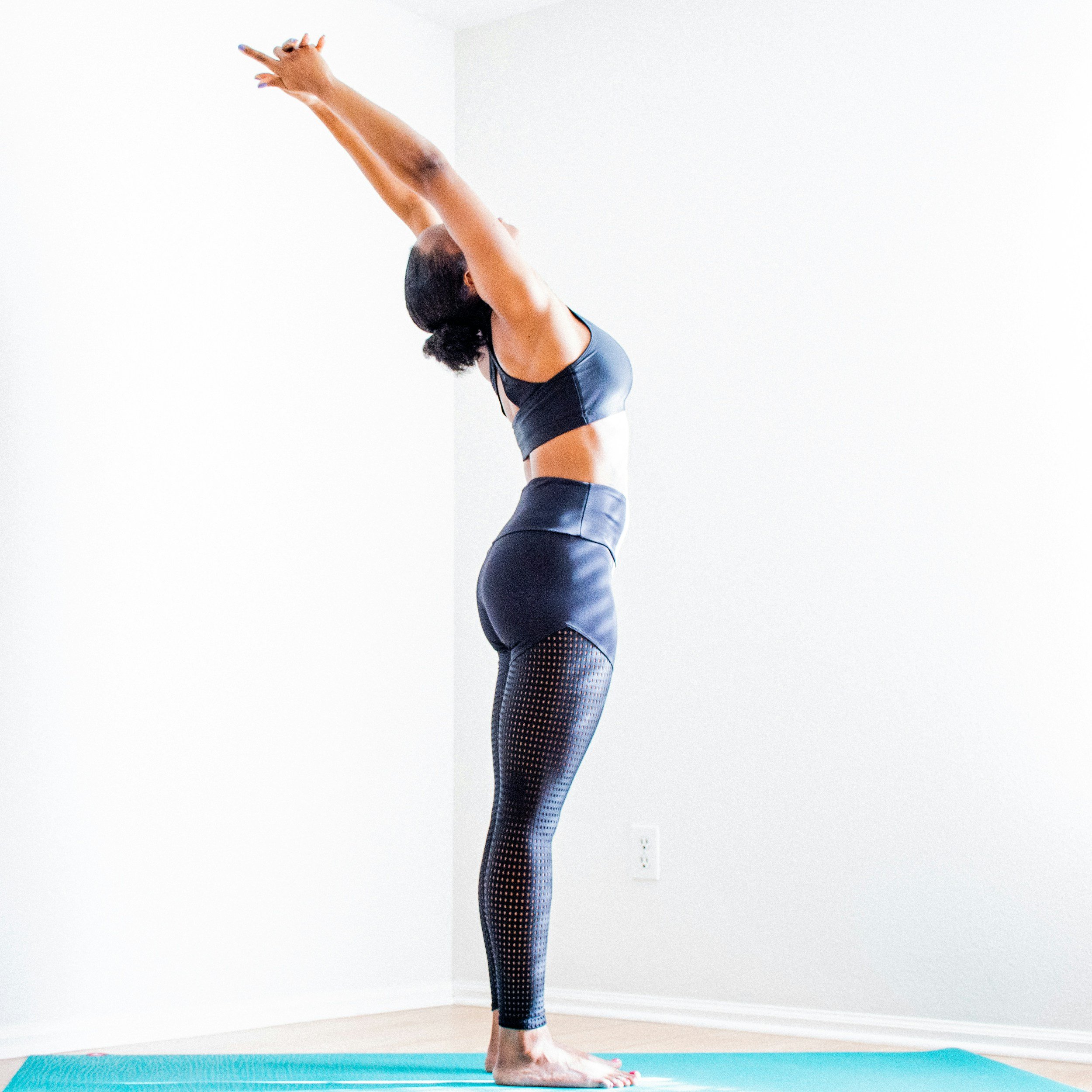
Good Posture - Turns Out Your Mom is RIGHT!
The benefits of good posture are well-documented both in studies about our biomechanics, and are noticeable in the dynamics of a room. The people we notice with great posture also hold:
A deeper sense of confidence and own their height
Greater energy. Poor posture is not energy efficient, and requires lots of extra muscles to fire
Deeper breathing. When your shoulders round forward, the lungs simply don't have the room to expand to their full capacity.
Less pain -

Reorganizational Healing - For the Proverbial Cleaning Out of the Closet
Sometimes our nervous system can’t adapt to it all.
Life happens. Sometimes it’s more than we can bear, and our brain and spine get overwhelmed. A lack of health is a sign that our nervous system cannot fully adapt to what is occurring – there is a gap between our current level of function and what is required to handle what is on our plate. There’s interference to our perfection, it doesn’t fully express, things break down. We show symptoms - physical, mental, or emotional.
When your spine and nerve system are more adaptable, you can heal what you previously couldn’t and also grow healthier during new stress, rather than getting “stuck” because of it.

Heal Your Spine, Heal Your Life
Tight muscles and ligaments stabilize the bones, tissues, organs, and nerves at a certain level… even if it’s not in a great place, it’s better than the WORST place. We know who we are and what to expect.
This is a useful short-term strategy and a painful, energy sucking long-term strategy. For those looking to transform, read more.

Your Mind IS Your Body
"Your mind is in every cell of your body."
The body uses your spinal cord to communicate information constantly to your brain about your environment, through all of our sensory systems. Your spinal cord and its tension and tone tells your brain whether you're safe and can explore/play/work, or whether you need to be on guard for danger
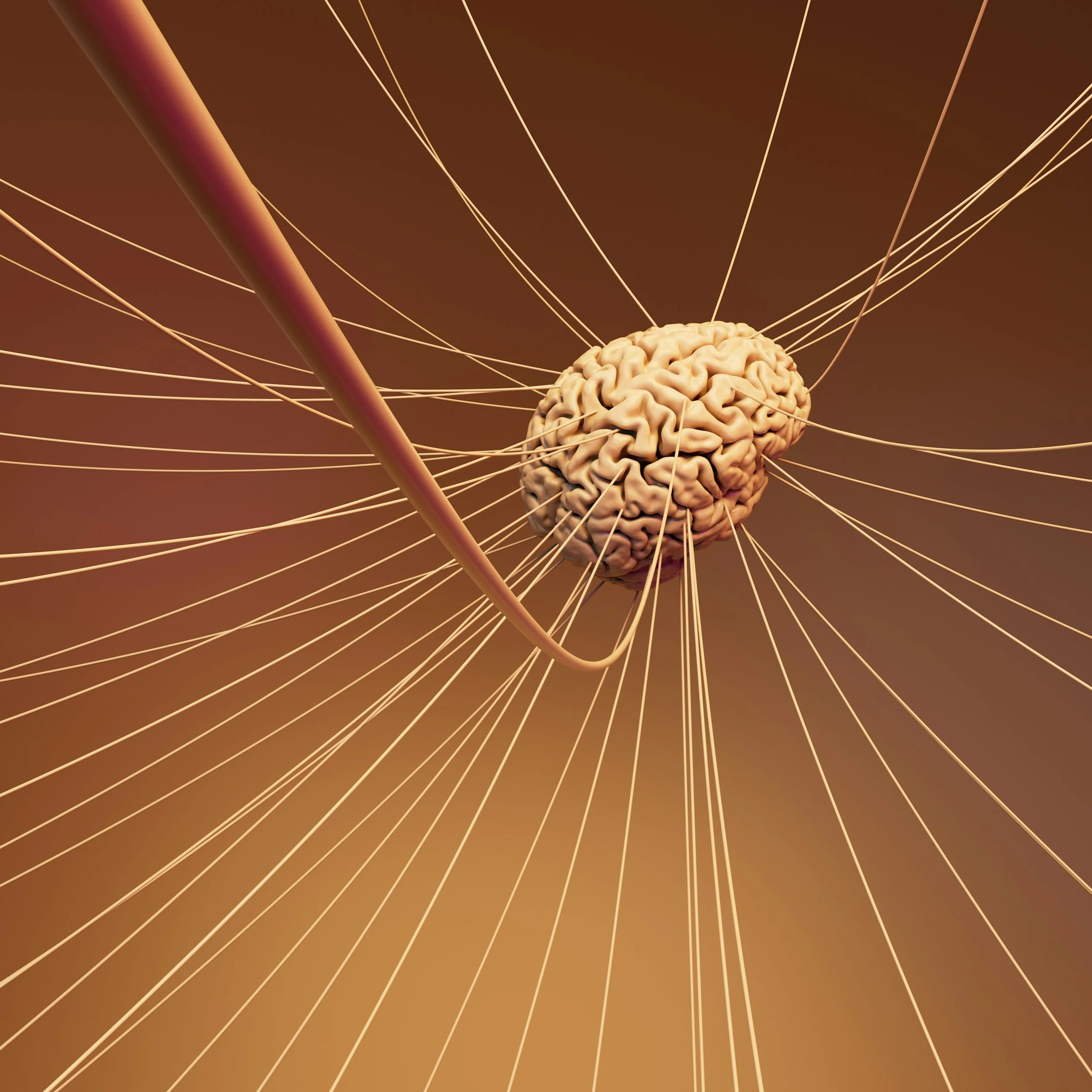
The Best Doctor is Within You
Chiropractors believe that the entity behind the healing is the Innate Intelligence in your body. Each living thing is sovereign and embedded with an Innate Intelligence designed to maintain the material of its body. It coordinates the healing forces and organizes your body, your mind, your emotions... even your life. T
All About Fascia
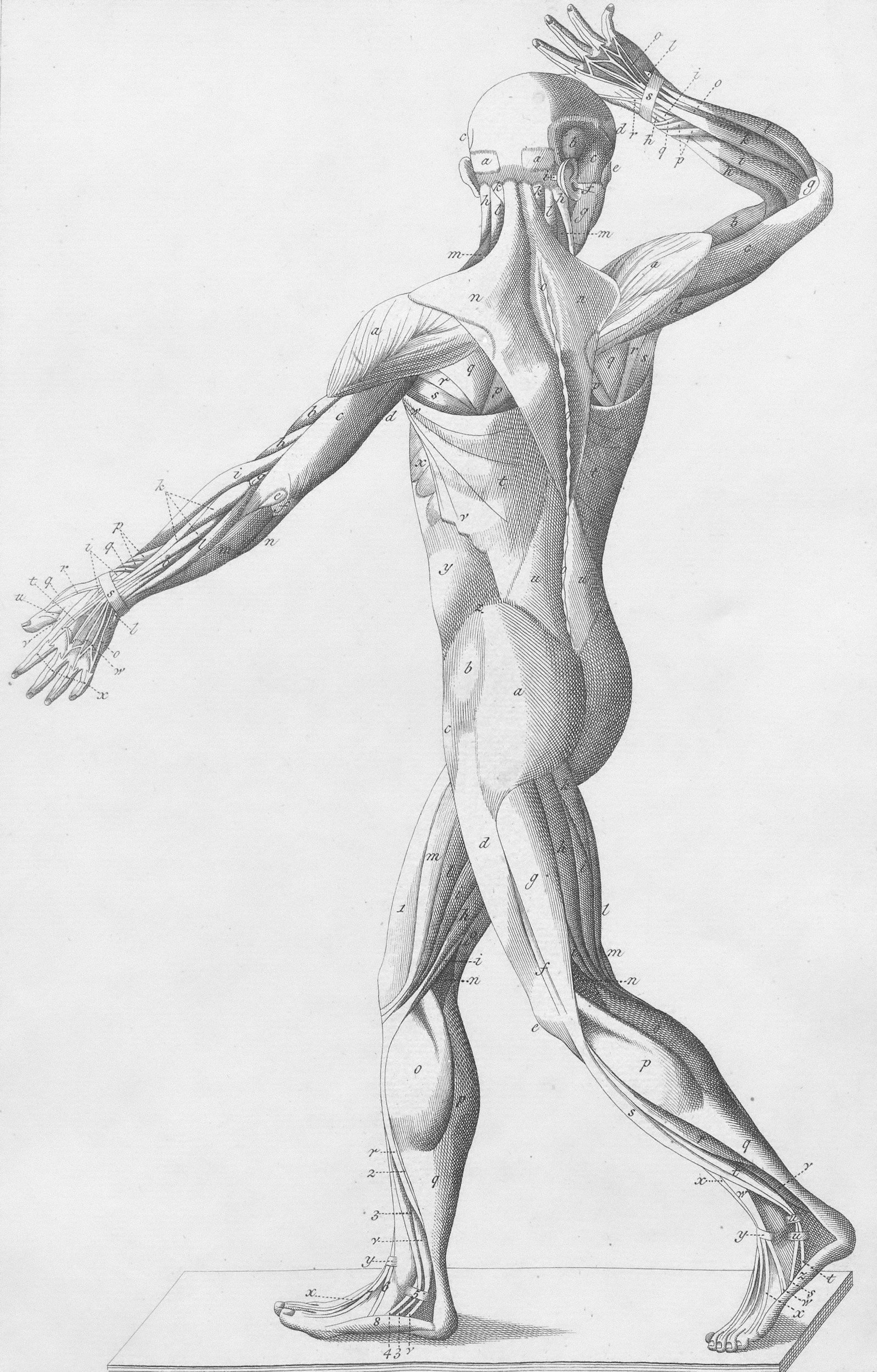
Many of my patients in Viridian and Arlington TX have tight, restricted fascia. The stress and strain of workouts, repetitive postures or activities, and even strain from the birth process or in utero positioning can cause adhesions in your fascia. Foam rolling, different types of breathing, and bodywork all can help unwind restrictions in the fascia in the limbs, pelvis, and abdomen.
As a chiropractor who understands fascia, I am most concerned with the fascia in the head and upper spine. We imagine the brain and spinal cord like a jellyfish, which of course is encased in skull and spinal bones. Fluid called cerebrospinal fluid, or CSF, hydrates the whole system. Rhythm goes from sacrum to head 11-16 times per minute.

When Your Body Doesn’t Feel Safe
I often tell my patients here in Viridian that in order to heal, your system needs SAFETY, both physically and emotionally.
When your body feels unsafe (either due to external circumstances such as the people or place surrounding you, or internally), it will use your mind to create this safety.
What does using the mind for safety look like? Rumination (repetitive thought patterns), dissociation, anxiety, avoidance, and defensiveness.

Developing Your Sixth Sense?!
Chiropractic works with several “almost” senses that increase the awareness of our body and how it’s working. The three “near senses” I discuss most often with patients include the following: vestibular, proprioception, and interoception. Our vestibular system keeps us upright and balanced while sitting or standing. Proprioception is a sense that lets us know where all of our body parts are in space. Interoception tells us about what’s happening within the abdominal cavity so we can feel our organs… is our bladder full? Or is our stomach empty and growling?