

Reorganizational Healing - For the Proverbial Cleaning Out of the Closet
Sometimes our nervous system can’t adapt to it all.
Life happens. Sometimes it’s more than we can bear, and our brain and spine get overwhelmed. A lack of health is a sign that our nervous system cannot fully adapt to what is occurring – there is a gap between our current level of function and what is required to handle what is on our plate. There’s interference to our perfection, it doesn’t fully express, things break down. We show symptoms - physical, mental, or emotional.
When your spine and nerve system are more adaptable, you can heal what you previously couldn’t and also grow healthier during new stress, rather than getting “stuck” because of it.

There’s No Such Thing as a Bad Kid!!!
Very often, when children are having trouble with higher executive function, or we see "unwanted" behaviors, this very behavior gives us a clue to where their brain is at in its development.
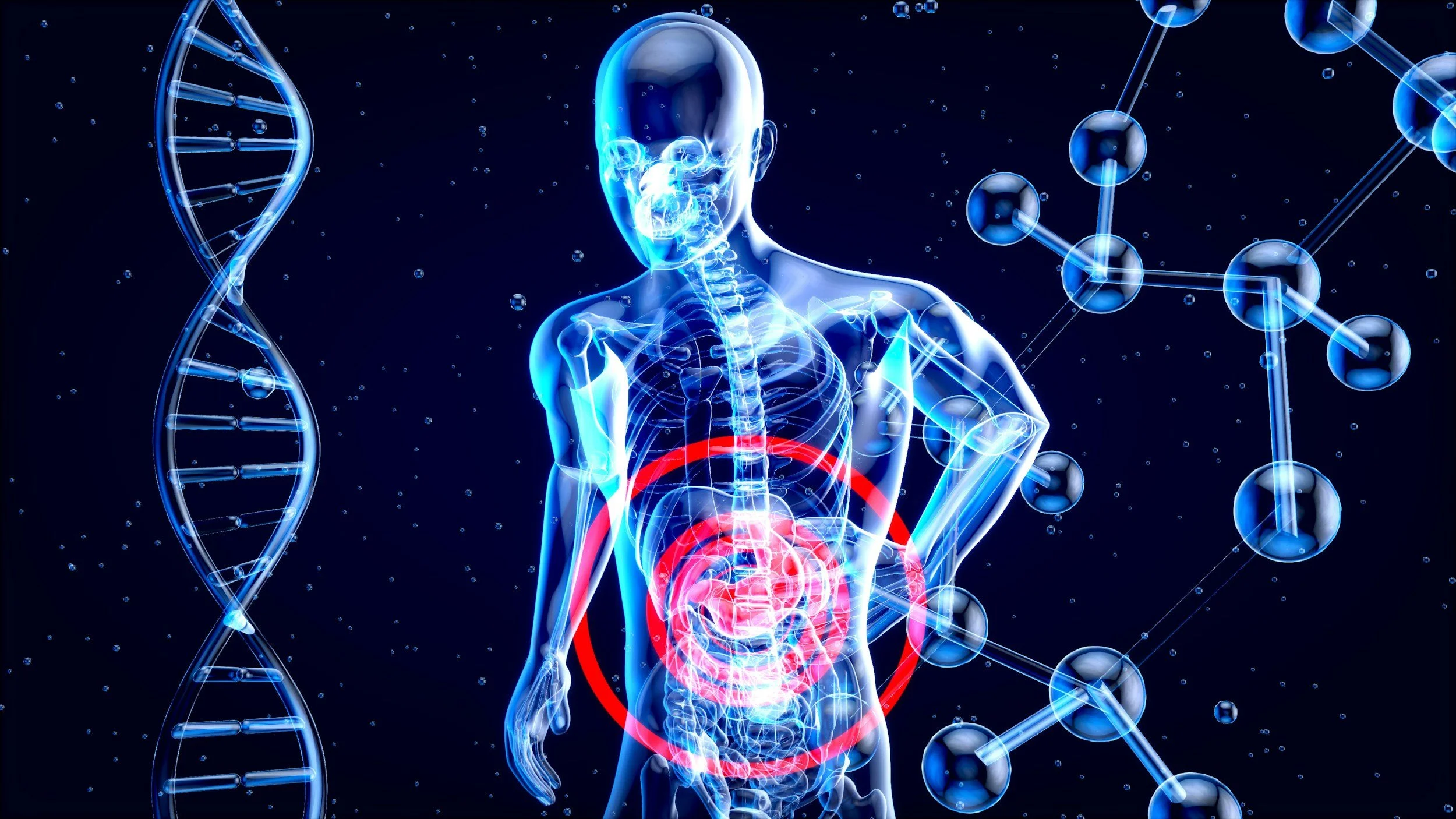
Top Signs of Leaky Gut, and the Best Foods and Strategies to Repair it
For the vast majority of Americans, living in a constant state of fight or flight has become the norm. This is incredibly draining of our energy, and for some of us keeps us so wired that we can’t sleep properly. Our bodies’ physiological requirements to fuel this state of fight or flight are difficult to keep up with and make us crave sweets, carbs, and caffeine to get through our days. Often times, these foods are the opposite of the ones that would boost our immune system and help heal our gut.

When Your Body Doesn’t Feel Safe
I often tell my patients here in Viridian that in order to heal, your system needs SAFETY, both physically and emotionally.
When your body feels unsafe (either due to external circumstances such as the people or place surrounding you, or internally), it will use your mind to create this safety.
What does using the mind for safety look like? Rumination (repetitive thought patterns), dissociation, anxiety, avoidance, and defensiveness.

“They’ll Grow Out of It”
In my almost 20 years of experience, colic or reflux is almost always related to tension in baby’s body; either from oral tethers, or from misalignments related to birth or in utero positioning. The discomfort in infancy looks very different than an adult in pain - arching back, screaming at the breast or troubled latch, painful gas, tight jaw, head or neck stuck in one direction, an arm or leg that can’t relax.
SOOO, if that nervous system stress goes uncorrected, baby is bound to grow INTO it.

Behind on Milestones? Why Chiropractic Can Help
We work to create freedom in your infant’s body and cranium so that their little bodies can do everything with comfort : turn their head all the way in each direction, roll to each side, lie on their tummy, etc. This freedom from interference allows proper information to get through to build the brain healthy and whole from the get go. We love to teach parents skills to work through the struggles we know come in a more complex infant, but we will also teach you what to look for in normal development and how to take appropriate action BEFORE your child becomes stuck… either in their body or in a stage of development.
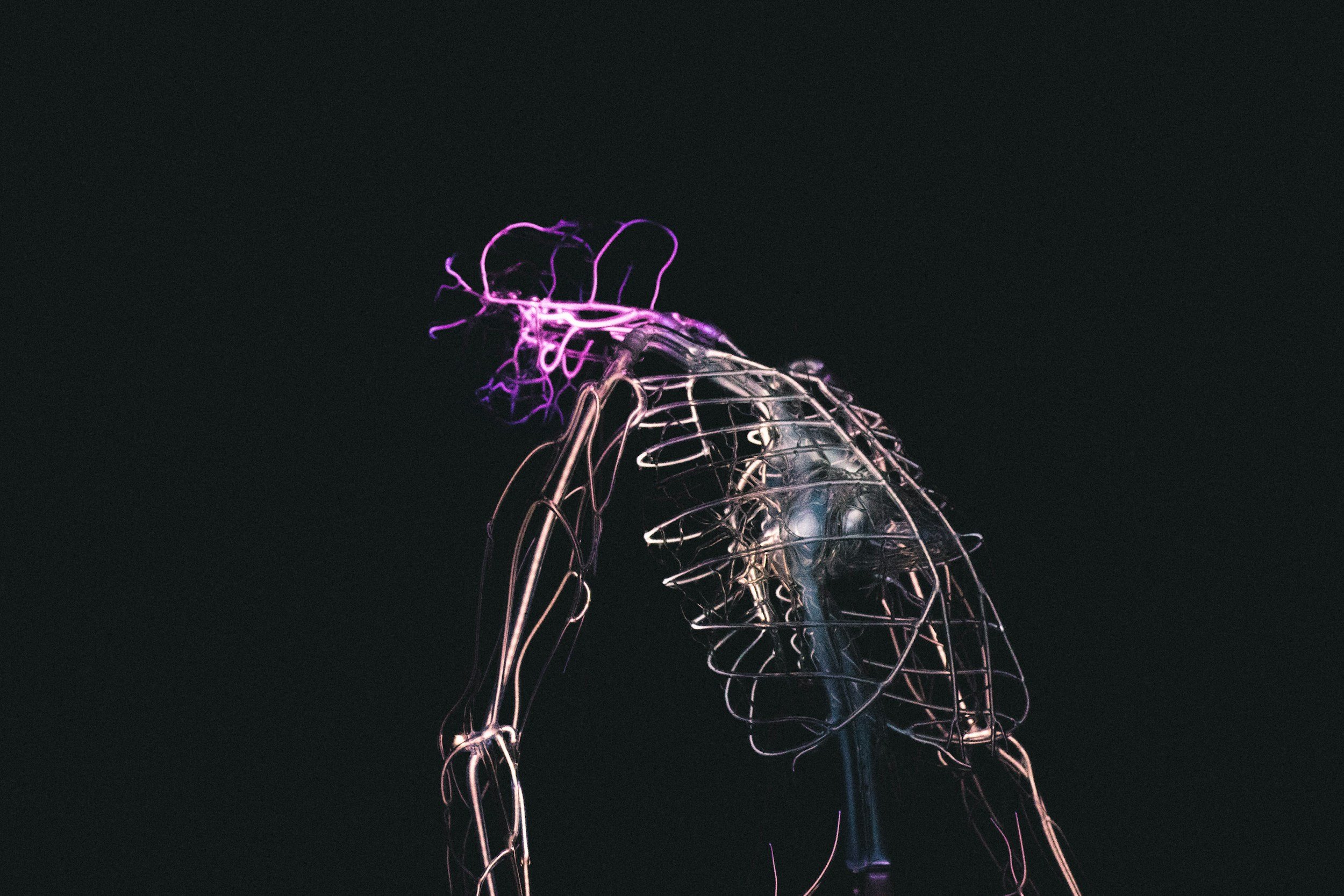
The Vagus Nerve and its Connections
How do we know when the vagus nerve isn’t sending a good signal to the tongue? Babies may look asymmetrical, with one side twisting or pulling. Babies will likely dislike tummy time. While asleep, baby may prefer an open mouth posture, indicating a related airway issue that can cause sleep apnea, snoring, or sinus and adenoid problems. Their suck will also likely be inefficient or they may prefer bottle feeding. When looking at the infant’s face, you may notice that their jaw is not very prominent, or that their jaw opens more to one side than the other.

Postpartum Support: Don’t Let your Well Run Dry
The frequent nursing and near-constant holding of baby makes your muscles work so hard - it’s like you’ve become a weight-lifter when your body is at its most vulnerable time! After your core and pelvic floor have been so stretched out, your body may feel less stable. These rapid changes can feel like a lot... whether your pelvis feels wonky or you have a case of “mom back” - sore shoulders and neck from staring at your little sweet one's face. Fill up your own cup, and care for yourself.

Developing Your Sixth Sense?!
Chiropractic works with several “almost” senses that increase the awareness of our body and how it’s working. The three “near senses” I discuss most often with patients include the following: vestibular, proprioception, and interoception. Our vestibular system keeps us upright and balanced while sitting or standing. Proprioception is a sense that lets us know where all of our body parts are in space. Interoception tells us about what’s happening within the abdominal cavity so we can feel our organs… is our bladder full? Or is our stomach empty and growling?

Infants with Oral Ties in North Arlington, TX
While it would seem that this would affect only matters of feeding and eventual speech, the ties also create pulling in the soft tissues to which they attach. This tugging can affect almost every aspect of a small infant’s life: tightness in their jaw and cheek muscles means baby sucks in extra air which can look like reflux, digestive issues, and excessive crying or colic. The tethering of the tissues affect the shape of the inner part of her head and can cause restrictions in the airway (this can look like mouth breathing, sinus/adenoid issues, and baby snoring). Your baby may prefer to turn their head only one way (torticollis) which can create imbalances in the head (plagiocephaly) if he or she is constantly lying in the same position.

This one is for the Moms!
I haven’t met a mama unwilling to sacrifice everything for her family, and often even for her job or community. Also, the things we do as moms - hold it together and pour out everything to do/be/have it all - takes a huge toll on our bodies

Blog Post - Chiropractic & Neurodevelopment in Viridian
When a child has a problem with behavior, learning, or socialization, I ask myself two basic questions… 1. Which tools is the child using to explore and engage and process their world? 2. Is there anything interfering with that child’s ability to send, receive, or process information in the brain (sensory processing, which largely occurs within the spine)?