

An Alternative Approach for Ear Infections
In a recent study, 93% of all ear infections improved for children under the age of five who were supervised under a chiropractor’s care. 43% of the children improved within one to two visits, and 75% were better within 10 days or fewer.

Your Baby’s Body Tells the Story
NONE OF THESE signs point to a “difficult baby”. All of them are the story the body tells about how they arrived.
Thankfully, this is a story we can rewrite. Dr. Erin has 20 years experience after being trained in the gentlest touches to create ease.

“They’ll Grow Out of It”
In my almost 20 years of experience, colic or reflux is almost always related to tension in baby’s body; either from oral tethers, or from misalignments related to birth or in utero positioning. The discomfort in infancy looks very different than an adult in pain - arching back, screaming at the breast or troubled latch, painful gas, tight jaw, head or neck stuck in one direction, an arm or leg that can’t relax.
SOOO, if that nervous system stress goes uncorrected, baby is bound to grow INTO it.

The Vagus Nerve and its Connections
How do we know when the vagus nerve isn’t sending a good signal to the tongue? Babies may look asymmetrical, with one side twisting or pulling. Babies will likely dislike tummy time. While asleep, baby may prefer an open mouth posture, indicating a related airway issue that can cause sleep apnea, snoring, or sinus and adenoid problems. Their suck will also likely be inefficient or they may prefer bottle feeding. When looking at the infant’s face, you may notice that their jaw is not very prominent, or that their jaw opens more to one side than the other.

Postpartum Support: Don’t Let your Well Run Dry
The frequent nursing and near-constant holding of baby makes your muscles work so hard - it’s like you’ve become a weight-lifter when your body is at its most vulnerable time! After your core and pelvic floor have been so stretched out, your body may feel less stable. These rapid changes can feel like a lot... whether your pelvis feels wonky or you have a case of “mom back” - sore shoulders and neck from staring at your little sweet one's face. Fill up your own cup, and care for yourself.

Why does my baby have a weird head shape?
So many parents envision a very different experience than the one they get with their newborns. Instead of the relaxed, cuddly baby who just eats, sleeps, and poops, did you get a baby who arches, scream, and struggle to feed? Does your baby's head look asymmetrical - long, or tall, or with a flat spot? Is it difficult to emotionally connect, to get enough rest, or do you feel like all your energy is going to just getting another ounce or two on your baby?
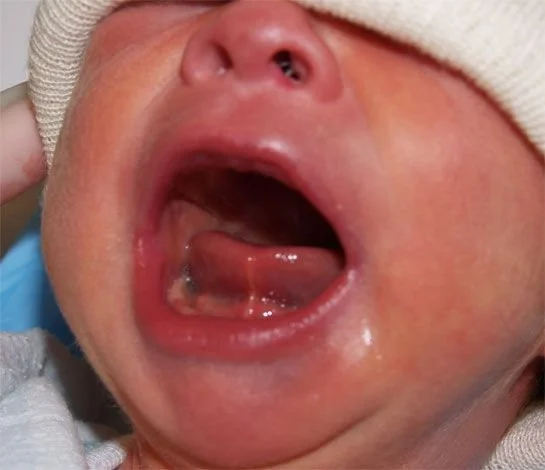
Infants with Oral Ties in North Arlington, TX
While it would seem that this would affect only matters of feeding and eventual speech, the ties also create pulling in the soft tissues to which they attach. This tugging can affect almost every aspect of a small infant’s life: tightness in their jaw and cheek muscles means baby sucks in extra air which can look like reflux, digestive issues, and excessive crying or colic. The tethering of the tissues affect the shape of the inner part of her head and can cause restrictions in the airway (this can look like mouth breathing, sinus/adenoid issues, and baby snoring). Your baby may prefer to turn their head only one way (torticollis) which can create imbalances in the head (plagiocephaly) if he or she is constantly lying in the same position.

Blog Post - Colic & Chiropractic in Viridian
Your tummy hurts. Your head aches. It is impossible to sleep and you’re irritable. One more thing: you can’t ask for help because you’re only four weeks old! So you cry. And cry. And cry.
And your parents feel exhausted, frustrated, helpless.